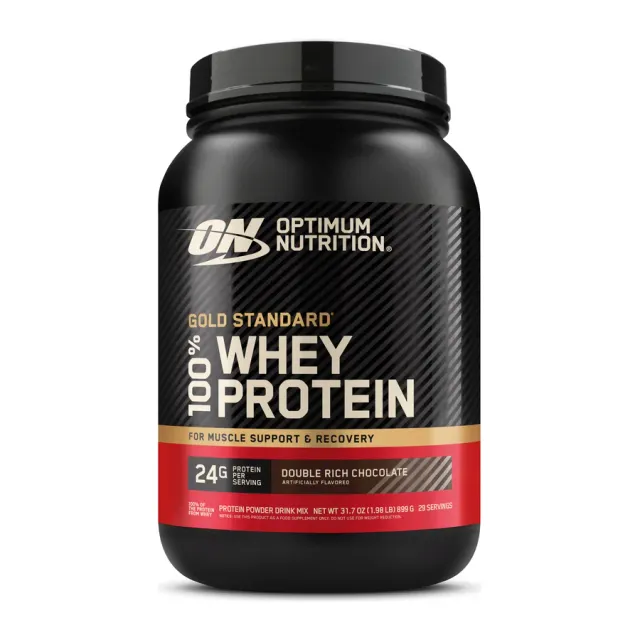
Optimum Nutrition
Gold Standard 100% Whey
Ultra-processed
No study found whey raises uric acid, and no trial has tested plain whey powder in people with gout. In the studies that measured it, milk protein lowered serum uric acid in healthy people, and a 12-week whey trial in 70 older women saw uric acid fall more than on placebo.
Searched PubMed on 2026-10-10 and read 6 studies, 1 of them a whey powder trial, each linked below. The one gout trial used an enriched milk powder, not whey. This is what the studies measured, not advice for you. Talk to your doctor before starting a supplement, especially if you take allopurinol, febuxostat or colchicine.
Two short trials gave healthy people a single 80 g dose of protein. Milk proteins lowered serum uric acid 3 hours later and soy protein raised it (Garrel 1991, Dalbeth 2010). Over 12 weeks, 35 g of whey a day cut plasma uric acid by 8 to 11% in 70 older women, against 2% on placebo (Nabuco 2019).
In 120 people with recurrent gout, a skim milk powder enriched with two dairy fractions cut flares more than lactose over 3 months (Dalbeth 2012). A Cochrane review re-ran that trial: the flare difference, 0.21 fewer flares a month (95% CI 0.76 fewer to 0.34 more), could have been chance, uric acid moved about the same in every group, and the evidence was low quality (Andrés 2021). None of the uric acid studies enrolled people with gout.
Six studies, with who took part and what they measured.
| Study | Who and how long | Dose | Found |
|---|---|---|---|
| Garrel DR 1991 Acute feeding study, healthy subjects (not gout) | 10 people, single dose, measured 3 hours after | 80 g each of casein, lactalbumin (milk proteins) and soy isolate | Serum uric acid decreased significantly 3 hours after ingestion of lactalbumin and casein but increased after soybean. |
| Dalbeth N 2010 Randomized controlled crossover trial, healthy men (not gout) | 16 people, single dose per product, measured over 3 hours | 80 g protein from skim milk products (incl. milk protein concentrate MPC 85) vs soy protein control | Ingestion of all milks led to a decrease in serum urate of about 10%, while the soy control led to an increase of about 10% (p < 0.0001). |
| Nabuco HCG 2019 Randomized double-blind placebo-controlled trial, older women doing resistance training (not gout) | 70 people, 12 weeks | 35 g whey protein before or after training | Both whey groups showed greater reductions in plasma uric acid than placebo (-8.3% and -11.0% vs -2.0%, interaction P < 0.001). |
| Dalbeth N 2012 Randomized double-blind controlled trial, 3 arms, people with recurrent gout flares | 120 people, 3 months | Skim milk powder enriched with glycomacropeptide (GMP) and G600 milk fat extract vs plain skim milk powder vs lactose powder | Over 3 months there was a significantly greater reduction in gout flares in the enriched skim milk powder group (p = 0.031), and the authors describe it as proof-of-concept. |
| Andrés M 2021 Cochrane systematic review of RCTs of dietary supplements in chronic gout | 2 trials, 160 people (milk trial: 120), searches to August 2020 | Enriched skim milk powder (from Dalbeth 2012) and vitamin C | Serum uric acid reduction was similar across groups (MD -0.01 mmol/L, 95% CI -0.04 to 0.01, low-quality evidence), and the review found no high-quality evidence that supported or refuted glycomacropeptide-enriched skim milk powder for chronic gout. |
| Choi HK 2004 Prospective cohort (Health Professionals Follow-up Study) | 47,150 people, 12 years | Diet by food-frequency questionnaire every 4 years, quintiles of intake | Men in the highest quintile of dairy intake had a relative risk of gout of 0.56 (95% CI 0.42-0.74) versus the lowest, while total protein intake was not associated with increased gout risk. |
Evidence for gout: Limited One small RCT in people with gout tested an enriched skim milk powder, not whey powder, and found fewer flares (Dalbeth 2012, n=120), though a Cochrane review rated that evidence low quality, found the flare result could be chance and found no clinically significant urate difference (Andrés 2021, 2 trials, 160 people). Short trials of milk proteins in healthy people found serum urate fell after a single 80 g dose (Dalbeth 2010, n=16, Garrel 1991, n=10), and a 12-week whey trial in older women found larger uric acid drops than placebo (Nabuco 2019, n=70).
The whey powders on GoutMarket carry 3 mg of purine a serving or less, most of them under 1 mg, against the 400 mg daily guide. Plant powders carry more, about 7 to 9 mg and up to 19 mg. They grade C (Moderate) because Open Food Facts classes them as ultra-processed, and GoutSafe's rule holds ultra-processed foods at C or below (how we rate).
Across 28 trials and 1,358 healthy adults, higher-protein diets did not change kidney filtration (Devries 2018). That doesn't cover chronic kidney disease, which is common with gout (KDOQI 2020). In the 120-person gout trial, stomach upset was the most common side effect of the milk powders (Andrés 2021).
Grocery products get a gout grade from their own label, ranked by grade only. 20 on the shelf.
Optimum Nutrition
Ultra-processed
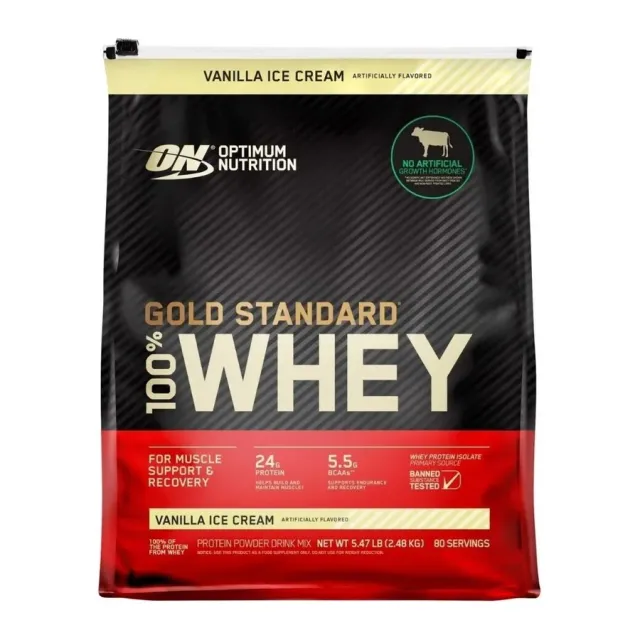
Optimum Nutrition
Ultra-processed
NOW
Ultra-processed
Grocery products get a gout grade from their own label, ranked by grade only. 14 on the shelf.
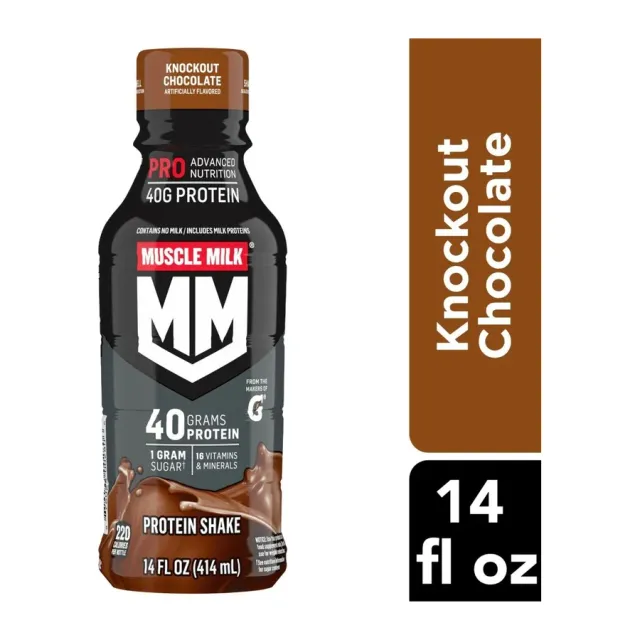
Muscle Milk
Ultra-processed
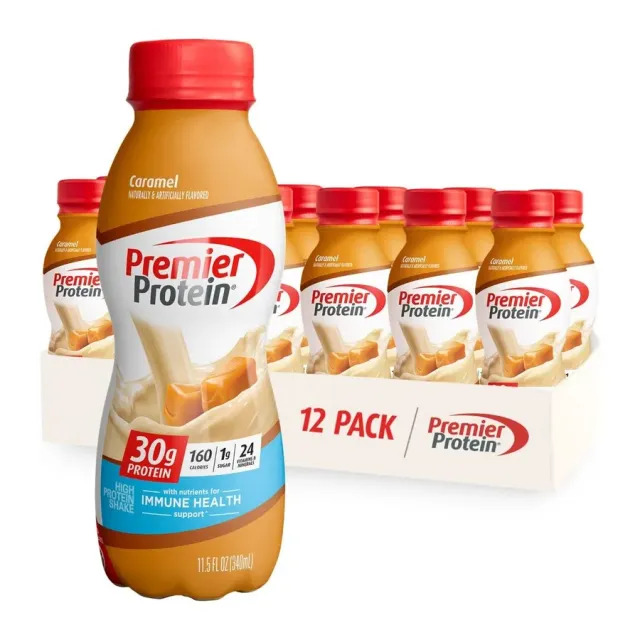
Premier Protein
Ultra-processed
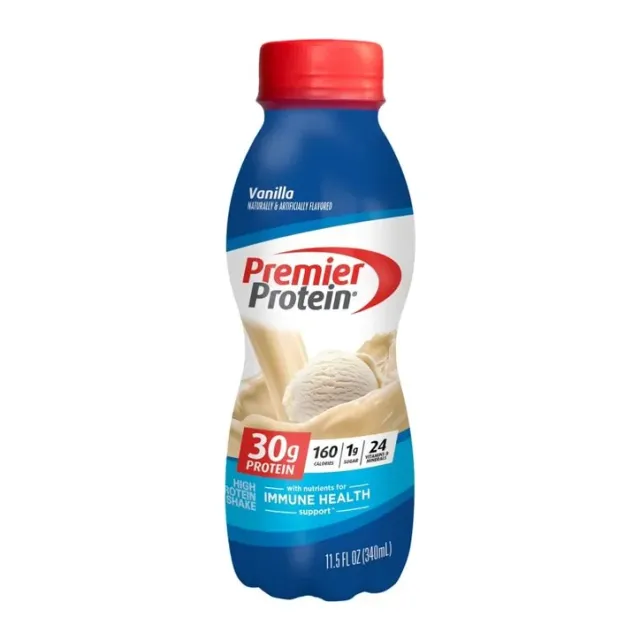
Premier Protein
Ultra-processed
Not in the studies that measured it. Milk protein lowered serum uric acid 3 hours after an 80 g dose in healthy people (Garrel 1991, Dalbeth 2010), and 35 g of whey a day for 12 weeks lowered it more than placebo in 70 older women (Nabuco 2019). None enrolled people with gout.
Each study was matched on title, author, year and journal in PubMed and Europe PMC on 2026-10-10. All supplements, rated. More questions: Is creatine OK for gout?, Is collagen OK for gout?, Is magnesium OK for gout?.