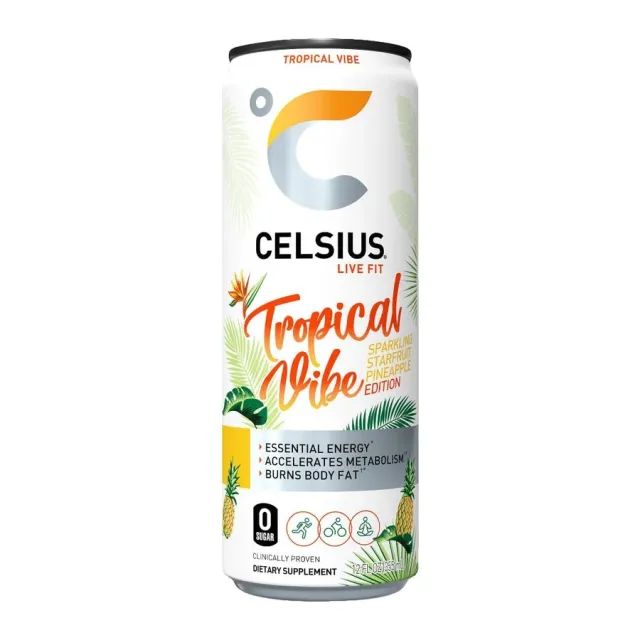
Celsius
Tropical Vibe
Ultra-processed
No study has tested a pre-workout product in people with gout. Its main ingredients were studied apart: total caffeine was not linked to gout in 45,869 men or to uric acid in 14,758 adults, and uric acid fell or tended to fall on creatine in 2 small studies of healthy, active adults. We found no human study of beta-alanine and uric acid.
Searched PubMed on 2026-10-11 and read 4 studies, none of them a pre-workout product, each linked below. No study counted gout flares. This is what the studies measured, not advice for you. Talk to your doctor before starting a supplement, especially if you take allopurinol, febuxostat or colchicine.
Most pre-workout powders combine caffeine, creatine, beta-alanine and citrulline, often with sugar or sweeteners. For caffeine, men who drank 6 or more cups of coffee a day had 59% less gout over 12 years, but total caffeine from all sources was not linked to gout (Choi 2007), and it was not linked to serum uric acid in 14,758 US adults (Choi 2007). So the coffee finding doesn't carry over to caffeine powder.
For creatine, uric acid tended to fall over 8 weeks in 14 football players against placebo (Cancela 2008) and fell after a week in 40 active men with no placebo (Moraes 2014). More on that at Is creatine OK for gout? We found no human study of beta-alanine or citrulline and uric acid.
The 2020 American College of Rheumatology guideline makes no recommendation on pre-workout, caffeine or creatine (FitzGerald 2020).
Four studies of the main ingredients. None tested a pre-workout product or enrolled people with gout.
| Study | Who and how long | Dose | Found |
|---|---|---|---|
| Choi HK 2007 Prospective cohort (Health Professionals Follow-up Study) | 45,869 people, 12 years | Coffee, decaf coffee, tea and total caffeine from questionnaires | Men drinking 6 or more cups of coffee a day had 59% lower gout risk (RR 0.41), decaf showed a weaker inverse trend, and total caffeine was not associated with gout. |
| Choi HK 2007 Cross-sectional survey (NHANES III) | 14,758 people, 1988 to 1994 | Coffee, tea and caffeine from a food frequency questionnaire | Serum uric acid was 0.43 mg/dL lower with 6 or more cups of coffee a day than with none, and total caffeine was not associated with serum uric acid. |
| Cancela P 2008 Randomized double-blind placebo-controlled trial | 14 people, 8 weeks | Creatine monohydrate 15 g a day for 7 days, then 3 g a day, vs maltodextrin | In healthy football players, kidney and liver markers did not change, and uric acid tended to decrease after creatine. |
| Moraes R 2014 Open-label before-and-after study, no placebo | 40 people, 1 week | Creatine monohydrate 20 g a day | In 40 healthy, moderately active men, plasma uric acid fell (p = 0.0004) and creatinine rose (p = 0.0001) after a week of creatine. |
Evidence for gout: Insufficient No study has tested a pre-workout product in people with gout. Its usual main ingredients were studied apart: total caffeine was not linked to gout in 45,869 men or to serum uric acid in 14,758 US adults (Choi 2007, both), and uric acid fell or tended to fall on creatine in 2 small studies of healthy, active adults (Cancela 2008, n=14, Moraes 2014, n=40). We found no human study of beta-alanine and uric acid.
The FDA cites 400 mg of caffeine a day as an amount not generally linked to harm in most adults (FDA), and a scoop counts toward it alongside coffee, tea and energy drinks. Creatine raises blood creatinine, a kidney test, so tell your doctor you take it before kidney blood tests (Moraes 2014). Sugared pre-workouts and energy drinks add sugar, and men who took in the most fructose had about twice the gout risk of those who took in the least (Choi 2008).
Grocery products get a gout grade from their own label, ranked by grade only. 36 on the shelf.
Celsius
Ultra-processed
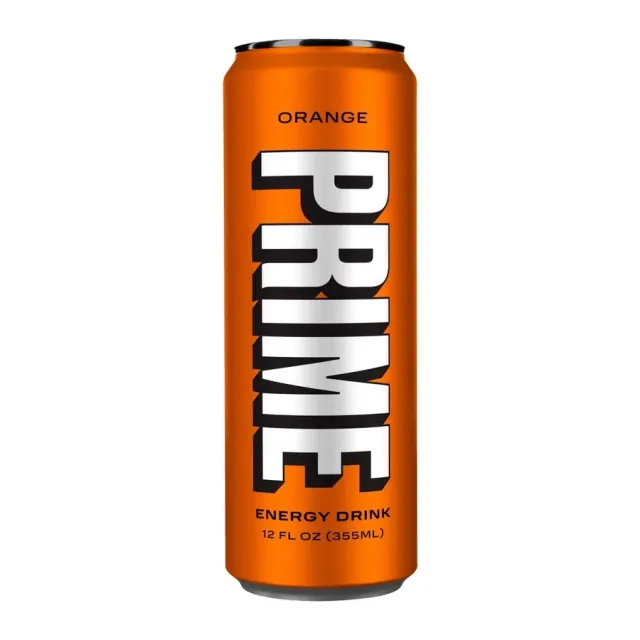
Prime
Ultra-processed
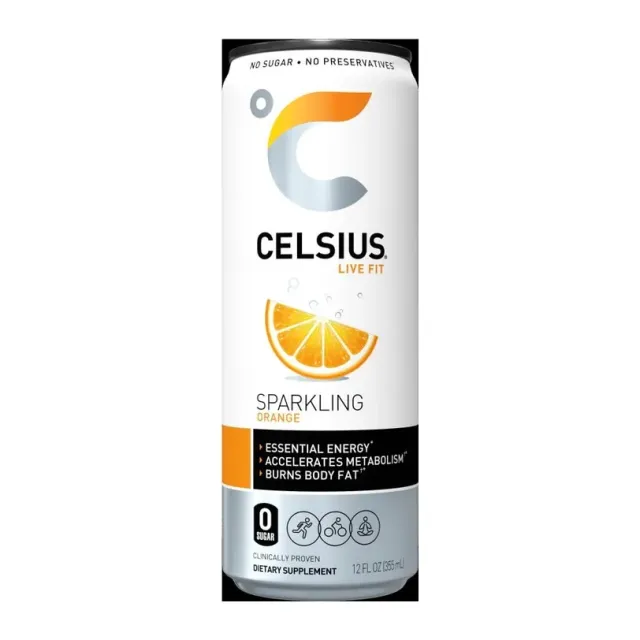
Celsius
Ultra-processed
Total caffeine was not linked to gout in 45,869 men followed for 12 years, or to serum uric acid in 14,758 US adults (Choi 2007). Coffee drinkers had less gout, which points to something in coffee other than its caffeine.
Not in the studies that measured it: uric acid tended to fall in 14 football players on creatine against placebo (Cancela 2008) and fell in 40 active men after a week (Moraes 2014). Neither study enrolled people with gout.
Each study was matched on title, author, year and journal in PubMed and Europe PMC on 2026-10-11. All supplements, rated. More questions: Is creatine OK for gout?, Is protein powder OK for gout?, Are electrolytes OK for gout?.