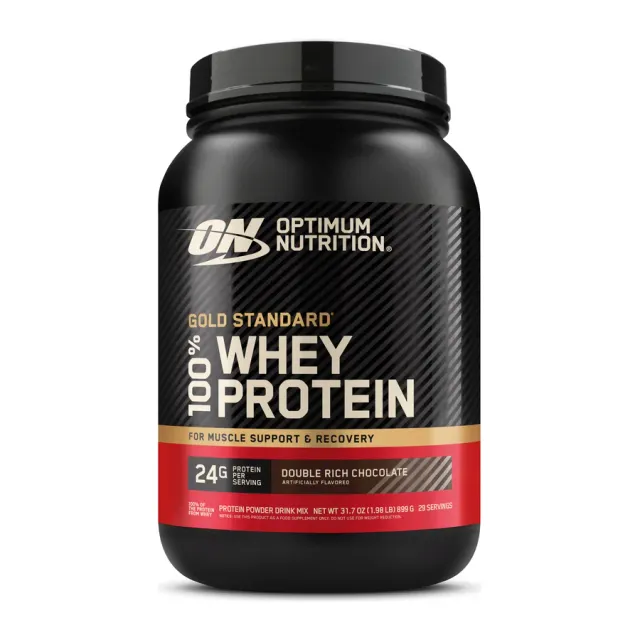
Optimum Nutrition
Gold Standard 100% Whey
Ultra-processed
No trial has tested a protein powder in people with gout. Total protein was not linked to gout in 47,150 US men, and in 51,114 Singapore adults the top quarter of protein went with 27% more gout, mostly from poultry and fish, while soy food went with less. A single 80 g dose of soy isolate raised uric acid in 10 healthy people while milk protein lowered it.
Searched PubMed on 2026-10-11 and read 4 studies, none of them a protein powder in people with gout, each linked below. No study counted gout flares. This is what the studies measured, not advice for you. Talk to your doctor before starting a supplement, especially if you take allopurinol, febuxostat or colchicine.
In 47,150 US men followed for 12 years, total protein intake was not linked to gout, while meat and seafood were and dairy went with less gout (Choi 2004). In 51,114 Chinese adults in Singapore, the top quarter of protein intake went with 27% more gout than the bottom quarter, driven by poultry and fish, while soy food went with 14% less and other beans and lentils with 17% less (Teng 2015).
Protein powders are mostly milk protein (whey, casein) or plant protein (soy, pea, rice). For milk protein, see Is whey protein OK for gout?, where milk protein lowered uric acid in short trials. For soy, a single 80 g dose of soy isolate raised serum uric acid 3 hours later in 10 healthy people (Garrel 1991), but pooled longer trials of soy protein found no change (Duan 2022). We found no study of pea or rice protein and uric acid.
The 2020 American College of Rheumatology guideline reviewed dairy protein and judged the evidence too weak for a recommendation, and it makes none on protein powder. Its diet advice for people with gout is to limit alcohol, purines and high-fructose corn syrup, and to lose weight if overweight (FitzGerald 2020).
Four studies bear on the question. None tested a protein powder in people with gout.
| Study | Who and how long | Dose | Found |
|---|---|---|---|
| Choi HK 2004 Prospective cohort (Health Professionals Follow-up Study) | 47,150 people, 12 years | Diet by food-frequency questionnaire every 4 years, quintiles of intake | Men in the highest quintile of dairy intake had a relative risk of gout of 0.56 (95% CI 0.42-0.74) versus the lowest, while total protein intake was not associated with increased gout risk. |
| Teng GG 2015 Prospective cohort (Singapore Chinese Health Study) | 51,114 people, recruited 1993 to 1998, followed to 2010 | Protein by food source from a food frequency questionnaire, quarters of intake | Between the highest and lowest quarters of intake, total protein went with 27% higher gout risk (HR 1.27), mostly from poultry and fish, while soy food (HR 0.86) and other legumes (HR 0.83) went with lower risk. |
| Garrel DR 1991 Acute feeding study, healthy subjects (not gout) | 10 people, single dose, measured 3 hours after | 80 g each of casein, lactalbumin (milk proteins) and soy isolate | Serum uric acid decreased significantly 3 hours after ingestion of lactalbumin and casein but increased after soybean. |
| Duan Y 2022 Systematic review and meta-analysis | 17 studies, 5 long-term human studies pooled, published studies to 2022 | Soy, soy foods, soy protein and soy isoflavones | In 3 short human studies soy raised serum uric acid while tofu and other soy foods did not, and pooled long-term studies of soy protein and isoflavones found no significant change (p = 0.53). |
Evidence for gout: Insufficient No trial has tested a protein powder in people with gout. Total protein was not linked to gout in 47,150 US men (Choi 2004), while in 51,114 Singapore Chinese adults more total protein, mostly from poultry and fish, went with more gout and soy food with less (Teng 2015). A single 80 g dose of soy isolate raised serum uric acid in 10 healthy people while milk proteins lowered it (Garrel 1991), and pooled longer trials of soy protein found no change (Duan 2022).
Across 28 trials and 1,358 healthy adults, higher-protein diets did not change kidney filtration (Devries 2018). That doesn't cover chronic kidney disease, which is common with gout, and the 2020 kidney nutrition guideline sets protein for people with it (KDOQI 2020). If you have kidney disease, ask your kidney doctor before adding a protein powder. Flavored powders and ready-to-drink shakes can add sugar, and men who took in the most fructose had about twice the gout risk of those who took in the least (Choi 2008).
Grocery products get a gout grade from their own label, ranked by grade only. 20 on the shelf.
Optimum Nutrition
Ultra-processed
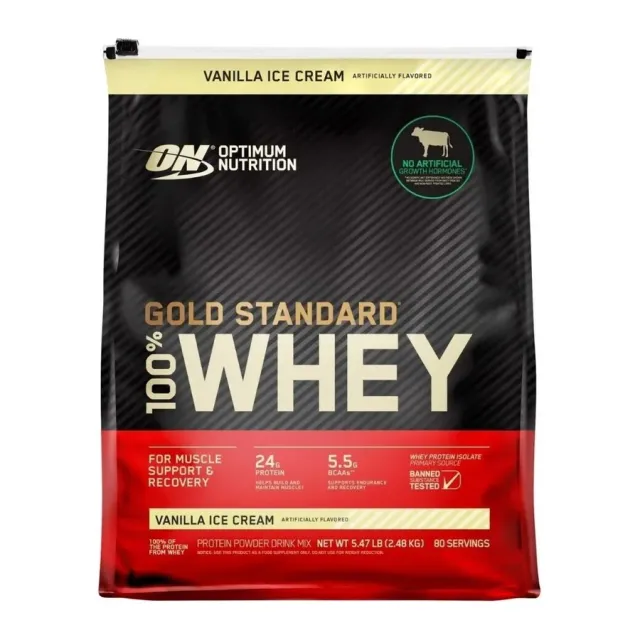
Optimum Nutrition
Ultra-processed
NOW
Ultra-processed
Grocery products get a gout grade from their own label, ranked by grade only. 14 on the shelf.
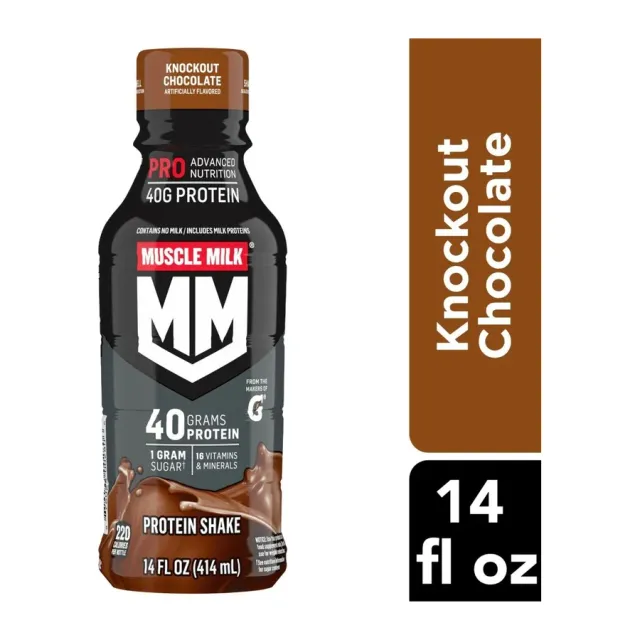
Muscle Milk
Ultra-processed
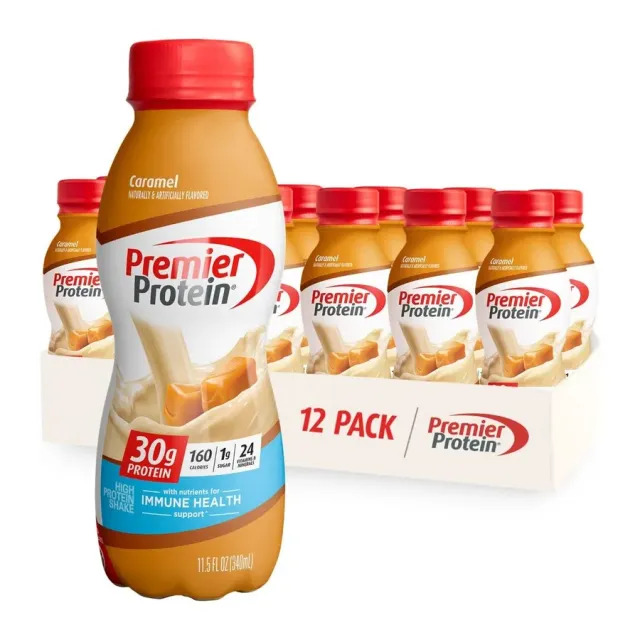
Premier Protein
Ultra-processed
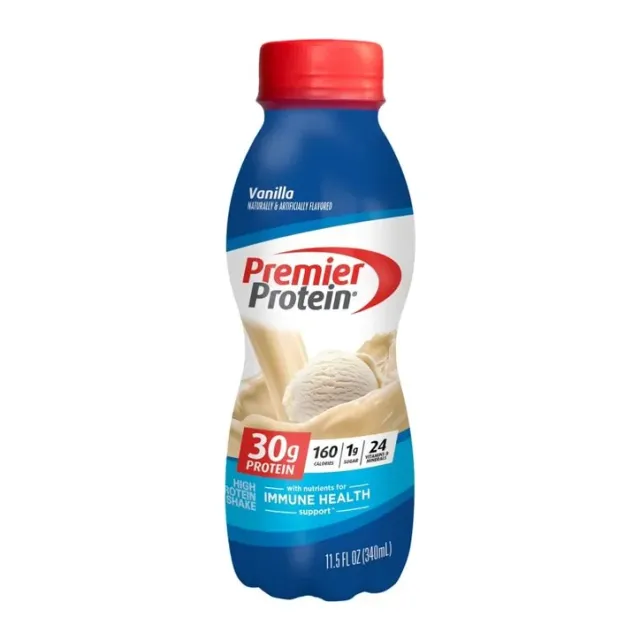
Premier Protein
Ultra-processed
No trial has compared them in people with gout. Milk protein lowered serum uric acid in short trials of healthy people, a single 80 g dose of soy isolate raised it (Garrel 1991), and soy food went with less gout in 51,114 Singapore adults (Teng 2015).
Total protein was not linked to gout in 47,150 US men (Choi 2004) or to serum uric acid in 14,809 US adults (Choi 2005). Meat and seafood were. No study has measured a protein powder in people with gout.
Each study was matched on title, author, year and journal in PubMed and Europe PMC on 2026-10-11. All supplements, rated. More questions: Is whey protein OK for gout?, Is creatine OK for gout?, Is pre-workout OK for gout?.